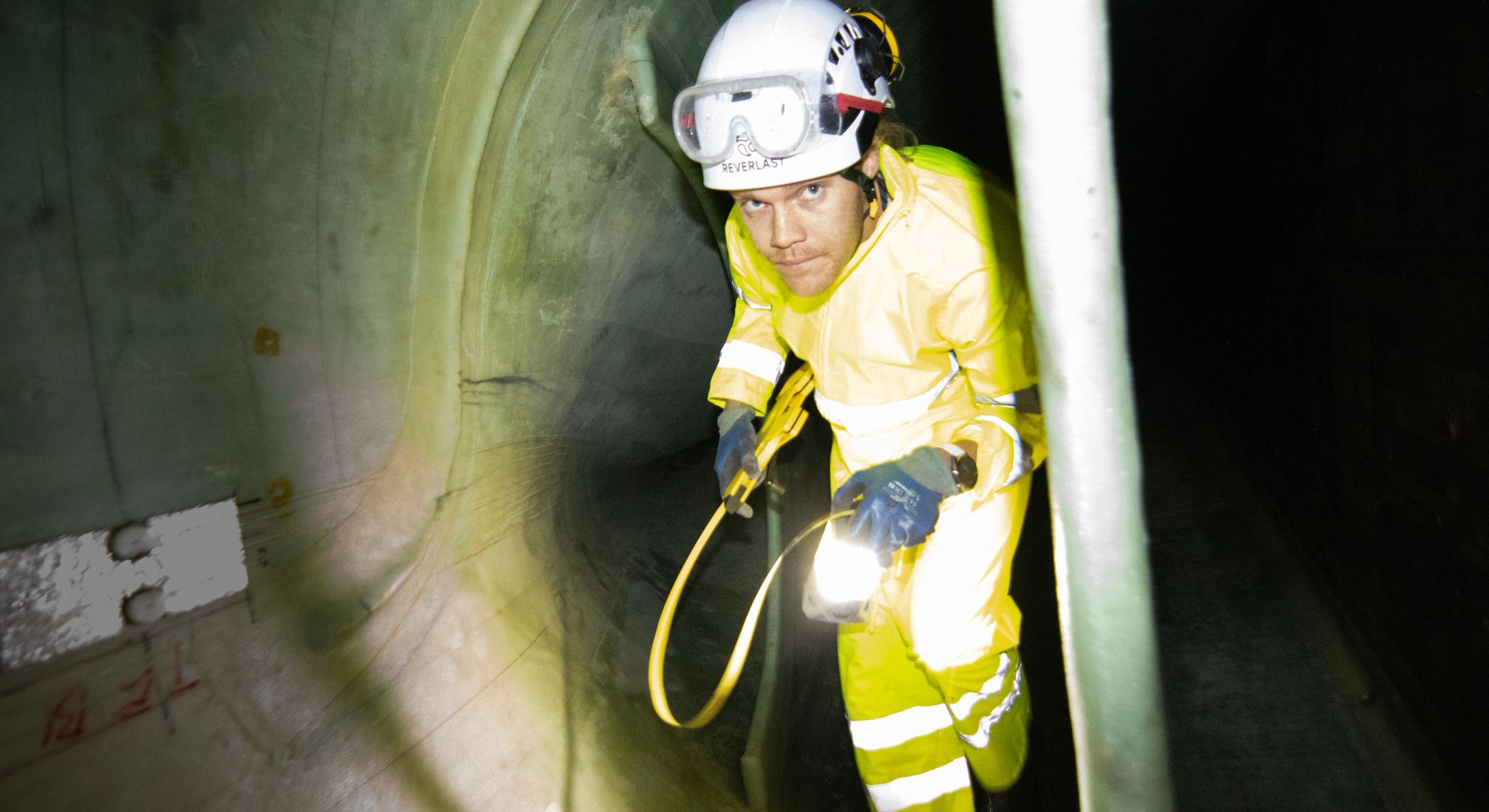
Your retiring blades can enable affordable power in remote islands
Reverlast repurposes decommissioned wind turbine blades into nearshore floating solar infrastructure. The highest value-adding end-of-life route is quickly becoming available at scale; no incineration, no landfill, and only minimal cutting.
Economics
The better deal: price-matched decommission costs
Blade end-of-life is a cost center. Repurposing with Reverlast can turn it into a competitive advantage.
Your blades have value to us
Because wind turbine blades are the core raw material for our product, we can offer gate fees that are below conventional recycling and recovery routes.
As a rule of thumb, we can always price-match with a 20% discount to existing blade decommissioning project costs.
The larger we grow our operations, the more we are able to reduce our intake fees.
HOW IT WORKS FOR YOU
Our model is built around your operations
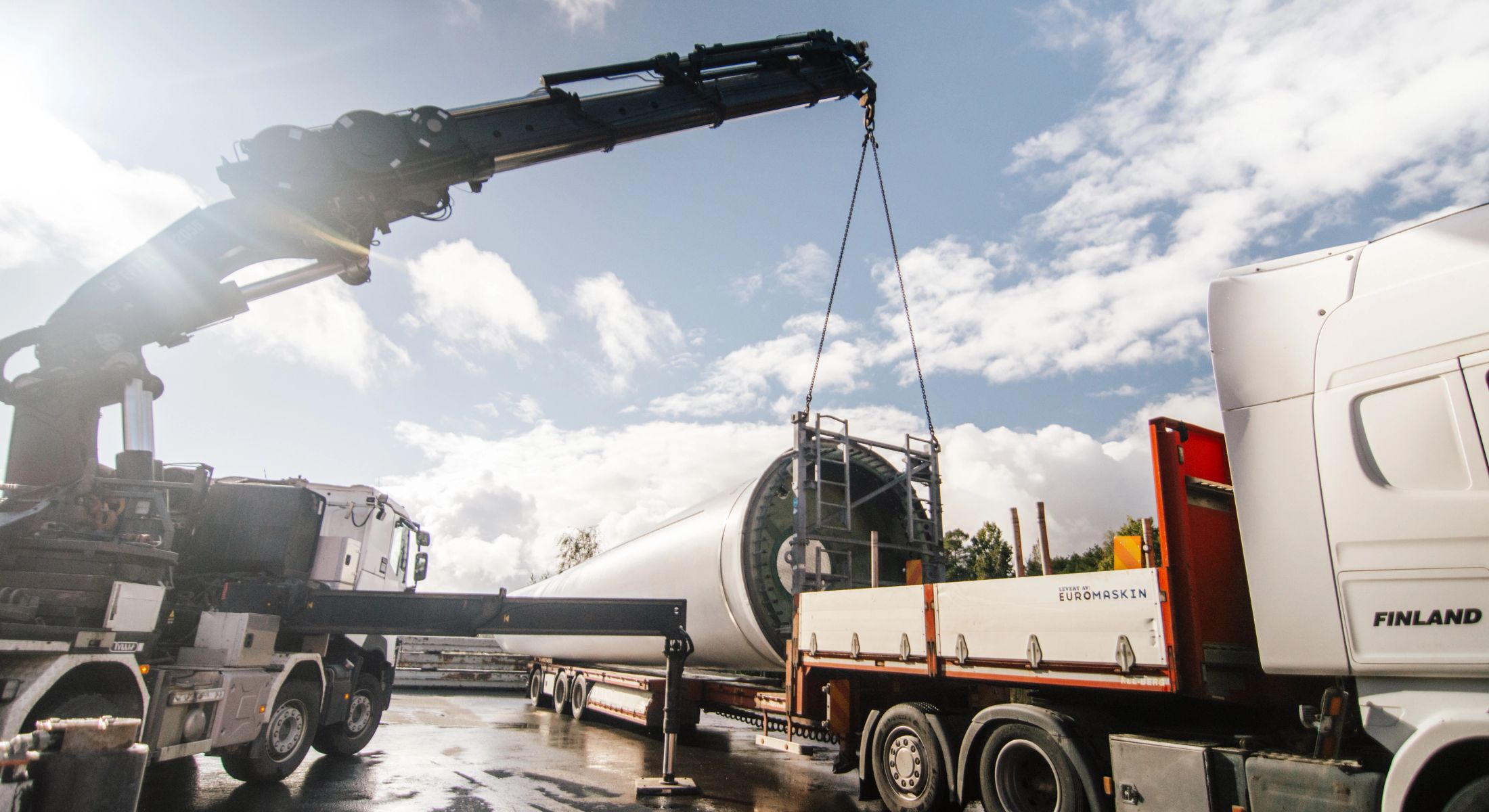
Your existing decommissioning provider handles blade removal, and we take over once blades are on the ground and ready for transport. No changes to your workflow. Ideally, we coordinate with you or your service provider on logistics and blade specifications 3–24 months before decommissioning. The earlier the conversation, the smoother the handoff.
Waste hierarchy
Repurpose sits at the top
The waste hierarchy pyramid ranks end-of-life routes by environmental and economic value. Repurposing preserves the most embodied energy and avoids potential unwanted particle releases from blade processing.

Why repurposing is the optimal route
Every other end-of-life method requires cutting, shredding, or thermally/chemically decomposing the blade. This destroys the composite's structural properties and consumes significant energy in the process. Mirroring this, the resulting end products have challenges in reaching favorable value levels in their respective markets.
Reverlast's approach preserves the blade's engineered strength, corrosion resistance, and geometry intact. The same properties that made the blade perform for 20+ years in harsh spinning outdoor conditions make it an exceptional structural semi-product for marine solar, and ultimately a valuable end product.
Let's talk about your blades
Whether you're planning a decommissioning project or exploring end-of-life options for future blade volumes, we'd like to hear from you.
Or call directly: +358 400 83 00 82